
What Are the Signs of a Cockroach Infestation?
Cockroaches are primarily active at night and spend much of the day hidden. That can make it difficult to tell how much activity is occurring based on sightings alone.
Here are several signs that can point to a cockroach problem.
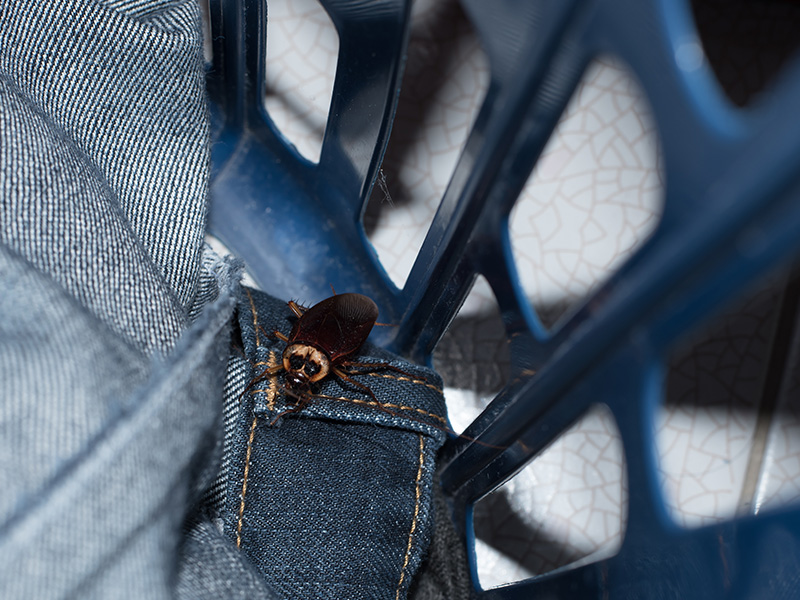
Seeing Live Cockroaches
A live cockroach is the most obvious evidence that roaches are present, but one sighting doesn't necessarily tell you whether there's an infestation.
The species matters. German cockroaches commonly live and reproduce indoors, so finding them inside deserves attention. American and Oriental cockroaches, on the other hand, commonly live outdoors and can make their way into homes.
Most cockroaches hide during the day and become active at night. You might see one when you enter a kitchen or bathroom after dark and turn on the light. Daytime sightings can also occur. Although seeing cockroaches during the day can sometimes indicate a larger population, the time of day alone doesn't tell you how extensive the problem is.
Repeated sightings, cockroaches in several areas of the house, or additional evidence such as droppings, egg cases, or young roaches provide stronger indications of an infestation.
Finding Cockroach Droppings
Cockroach droppings are one of the signs worth looking for around areas where roaches hide.
German cockroaches' droppings are tiny and can resemble crushed pepper. They may collect around cracks and crevices where the cockroaches spend the day.
Larger cockroaches, including American cockroaches, leave larger droppings that may be mistaken for rodent droppings.
Check cabinets, areas beneath sinks, wall edges, and spaces behind or underneath appliances. Finding droppings in these areas indicates cockroach activity, and repeatedly finding new droppings after cleaning is a good reason to investigate further.
Finding Cockroach Egg Cases
Cockroach eggs are protected inside capsules called oothecae. How these egg cases are handled varies by species.
Female German cockroaches carry their egg cases until the eggs are close to hatching. American cockroaches deposit their egg cases in protected areas, often near food or water.
Finding an egg case is evidence that a female cockroach produced eggs, and it gives you a good reason to look for other signs of activity nearby.
Seeing Baby Cockroaches
Tiny cockroaches aren't a separate kind of roach. They're immature cockroaches called nymphs.
Nymphs resemble smaller versions of adults but don't yet have fully developed wings. They molt repeatedly as they develop.
Nymphs are cockroaches that have already hatched from their egg cases. Finding them indoors is another sign of cockroach activity, and finding German cockroach nymphs is especially concerning because German cockroaches commonly live and reproduce inside buildings.
If you're finding small roaches in the kitchen or bathroom, don't dismiss them because of their size. Young cockroaches are evidence that you should look for additional activity.
Finding Shed Skins or Dead Cockroaches
Cockroach nymphs shed their outer covering as they grow, so cast skins can sometimes be found around areas where they're developing. Dead cockroaches are another form of evidence that roaches have been present.
These signs can turn up beneath appliances, inside cabinets, around cracks and crevices, and near other protected hiding areas.
One shed skin or dead cockroach won't tell you how many roaches are present. But when you find them along with droppings, egg cases, nymphs, or live cockroaches, the evidence starts to add up.
Noticing an Unusual Odor
Cockroach infestations can produce an unpleasant odor, particularly when populations are substantial.
An unusual odor is not enough by itself to confirm that you have cockroaches. Many things inside a home can cause musty or unpleasant smells. However, an odor in an area where you're also finding droppings, egg cases, or live cockroaches can be another clue that roaches are active nearby.
Does Seeing One Cockroach Mean You Have an Infestation?
Not necessarily, and this is where knowing which type of cockroach you're dealing with becomes especially useful.
German cockroaches commonly live and reproduce indoors. They often hide in warm areas near food and water, such as kitchens and bathrooms, and can quickly multiply. Finding a German cockroach inside, therefore, deserves a closer look for additional activity.
American and Oriental cockroaches are different. Both are commonly found outdoors and can enter homes. American cockroaches favor humid environments and can enter buildings through openings around doors, windows, pipes, and other gaps. Oriental cockroaches prefer cooler, damp areas and may also move indoors.
That means a single American or Oriental cockroach that wandered inside doesn't by itself prove that a population is reproducing in your home.
Regardless of the species, repeated sightings or finding droppings, egg cases, nymphs, or other evidence gives you more reason to suspect an established problem.
Where Should You Look for Signs of Cockroaches?
Start where cockroaches are most likely to find food, water, warmth, or shelter.
German cockroaches commonly hide in warm areas close to food and moisture. In a home, kitchens and bathrooms are particularly important places to inspect. Look in cracks and crevices, inside cabinets, beneath sinks, and behind or underneath refrigerators, stoves, and other appliances.
American cockroaches prefer humid environments. Outdoors, they can live in leaf litter and other moist areas. They are also common in sewer systems and may enter structures around pipes, drains, doors, windows, and other openings.
Oriental cockroaches prefer cooler, damp environments and are more likely to be found in ground-level areas, crawl spaces, and other wet spaces.
Knowing where you're finding cockroaches can provide useful clues about which species you're dealing with and where additional activity may be occurring.
Why DIY Cockroach Control Often Falls Short
Seeing a cockroach can make it tempting to reach for a spray or trap and deal with the roaches you can see. The problem is that visible cockroaches may represent only part of the activity in your home.
German cockroaches can hide in narrow cracks and crevices near food and water and reproduce quickly. Killing a few visible roaches doesn't necessarily address the cockroaches hiding nearby or stop the infestation.
American and Oriental cockroaches can pose different challenges. Because they often originate outdoors, effective control may also involve identifying how they're getting inside and addressing conditions or openings around the home that are contributing to the problem.
Professional cockroach control takes those differences into account. Identifying the species, determining where cockroaches are active, and targeting treatment to those areas provides a more complete approach than simply treating the roaches that come into view.
Why Cockroaches Are More Than an Unpleasant Sight
Cockroaches aren't something you want living in your home.
They can contaminate food and food-contact surfaces as they move through their environment. Cockroach droppings, body parts, and saliva can contain allergens that may cause allergic reactions or trigger asthma symptoms in some people.
Finding evidence of cockroaches is therefore worth addressing, even if you're only seeing occasional activity.
Professional Cockroach Control in The Woodlands
If you're finding cockroaches, droppings, egg cases, nymphs, or other signs of activity, Marathon Pest Control can help determine what you're dealing with and where the problem is coming from.
Our home pest control starts with an inspection to identify existing pest activity, potential entry points, and conditions around your home that may be contributing to the problem. Marathon's Basic Pest Control Plan covers German, American, and Oriental cockroaches and includes an initial inspection and treatment followed by quarterly pest control.
Don't wait for cockroach activity to become more noticeable. Contact Marathon Pest Control to get help with cockroaches in your home.
Originally published July 1, 2025. Updated September 25, 2026, with new information on identifying signs of a cockroach infestation and when to seek professional help.


